Blue Cross Blue Shield GLP-1 Coverage in Michigan (2026)
Browse GLP-1 clinics in Michigan that list Blue Cross Blue Shield. Compare providers, check medication availability, and contact a clinic directly.
By GlobalGLP1 • Blue Cross Blue Shield coverage sources checked August 2026 • Updated October 2026 • Not a medical review
3 of the 6 Michigan clinics that list their insurance accept Blue Cross Blue Shield, all offer telehealth, averaging 4.3 stars. We do not have insurance details for the other 81 clinics we track in Michigan, so this is not a full list and any of them may take Blue Cross Blue Shield too. Coverage can also change without notice, so check with the clinic before you book.
Cities With Blue Cross Blue Shield GLP-1 Clinics
GLP-1 Clinics Accepting Blue Cross Blue Shield in Michigan
Sponsored listings may appear first in default sorting. Ratings, reviews, and medication data are not affected by paid placement. How rankings work
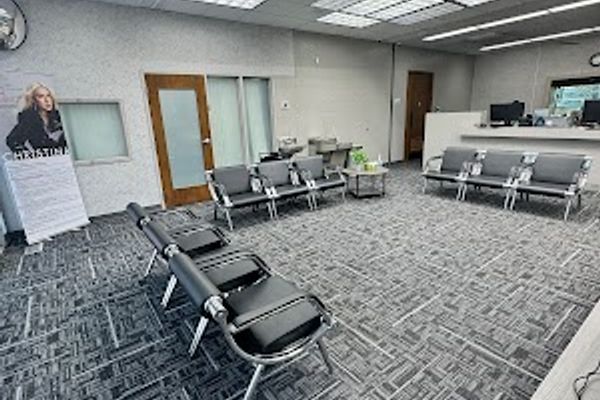
Express Health Urgent Care and Medical Weight Loss Center

Find GLP-1 clinics in Michigan
Coverage is only part of the answer. Most GLP-1 clinics charge cash rather than billing insurance, so what you actually pay varies a lot. Tell us what you’re looking for. We’ll review your request before sharing your details with selected clinics, so they can tell you what it costs.
Blue Cross Blue Shield GLP-1 Coverage Details
What BCBS of Michigan says about weight-loss drugs
Blue Cross Blue Shield of Michigan's current Clinical Drug List says it does not cover GLP-1 drugs used for weight loss, including Saxenda, Wegovy and Zepbound, for commercial members of fully insured large groups and some self-funded groups.
This is not new. BCBS of Michigan and Blue Care Network announced in 2024 that this coverage would end for fully insured large-group members on January 1, 2025, or at the group's 2025 renewal date.
The drug list names only those groups. It does not say how individual plans or small-group plans handle these drugs, and we could not confirm that from the BCBS of Michigan documents we reviewed. Self-funded employer plans make their own choices: some have dropped this coverage. Before you rely on a general summary, ask member services whether your plan is fully insured or self-funded, and ask for its current pharmacy benefit.
Prescribed for something other than weight loss?
The exclusion is worded as drugs "used for weight loss." If your clinician is prescribing one of these drugs for a different diagnosis, the BCBS of Michigan documents we reviewed do not say how that prescription is handled. Ask member services whether it is reviewed under different rules, and what approval would require.
What to ask member services
- Is my plan fully insured or self-funded?
- Is this medication excluded for weight loss on my plan?
- If my clinician prescribes it for a different diagnosis, what does approval require?
- What would I pay at the pharmacy?
This is about BCBS of Michigan plans that use the drug list cited here. Other plans, including Blue Care Network HMO plans, Blue plans from another state's Blue company and the federal employee program, may use a different drug list. Sources, checked October 27, 2026: BCBS of Michigan, Clinical Drug List (current edition, page 4); BCBS of Michigan provider alert, June 6, 2024 (updated July 30, 2024) (the 2025 change for fully insured large groups). Plans change their drug lists, so your own plan documents decide. This is general information, not medical, legal or insurance advice.
Cost Estimates
Savings tip: Many BCBS affiliates have preferred pharmacies with lower copays. Ask about mail-order pharmacy options, which often give you a 90-day supply at a reduced price.
If Blue Cross Blue Shield denies your prior authorization
A denial is the first answer, not the last one. You have 180 days (6 months) to appeal it.
You have 180 days from the date of the denial notice to file. Miss it and you can lose the right to appeal at all, so this is the date to put in your calendar.
How long each step takes
Your plan has to tell you it said no, in writing, and explain why:
- 15 days. You asked for prior authorization and have not had the treatment yet.
- 30 days. You already had the treatment and are asking them to pay.
- 72 hours. Urgent care.
Once you appeal, the clock runs the other way:
- 30 days. For treatment you have not had yet, which is the usual case for a GLP-1 prescription waiting at the pharmacy.
- 60 days. For treatment you have already paid for.
- 72 hours. That is the limit for an urgent internal appeal: one where waiting for the standard timeline could seriously put your life or health, or your ability to regain full function, at risk. The plan has to decide as fast as your condition requires and no later than 72 hours after it receives your appeal. If your situation is urgent, you can also ask for an external review at the same time.
If they say no again
You can take it to an independent reviewer outside the insurance company. You have four months from the final denial to ask for one. A standard review is decided within 45 days, or 72 hours if it is urgent.
- The insurer is required by law to accept the external reviewer's decision.
- Free if your insurer uses the federal process. If it uses a state process or its own independent reviewer, it can charge you, but no more than $25.
- You can appoint someone who knows your case, such as your doctor, to file it for you.
Is it worth appealing?
Almost nobody does. On marketplace plans in 2024, insurers denied 19% of in-network claims and consumers appealed fewer than 1% of those denials. Of the appeals that were filed, 66% ended with the insurer keeping its original decision. These figures cover claims already submitted for payment on HealthCare.gov plans. They do not measure prior authorization decisions.
For prior authorization specifically, the clearest numbers come from Medicare Advantage in 2024: 7.7% of requests were denied, only 11.5% of those denials were appealed, and 80.7% of the appeals that were filed overturned the denial. This is the closest thing to hard data on prior authorization appeals. It covers Medicare Advantage rather than private plans, so treat it as a signal about whether appealing is worth doing and not as a promise about your own plan.
What to send
- The denial letter and any Explanation of Benefits that came with it.
- A letter from your prescriber saying why this medicine and not another one, with your BMI, your weight history and any related conditions written down.
- Records of what you have already tried, including diet and exercise and any earlier medicines.
- Notes from your phone calls: date, time, who you spoke to and what they said.
Your prescriber does most of this. If you do not have one yet, find a GLP-1 clinic in Michigan.
These rules cover most private health plans, including self-insured plans through an employer. They do not cover grandfathered plans, meaning coverage that has been in place since before March 2010 and has not changed much since. If you are not sure which you have, your plan documents or member services will tell you.
Sources: HealthCare.gov, Internal appeals, checked August 3, 2026; HealthCare.gov, External review, checked August 3, 2026; 29 CFR 2560.503-1(i)(2)(i), urgent care appeals, applied to private plans by 45 CFR 147.136(b), checked September 28, 2026; KFF, Claims Denials and Appeals in ACA Marketplace Plans in 2024; KFF, Medicare Advantage prior authorization determinations in 2024; KFF, Consumer Appeal Rights in Private Health Coverage, checked August 3, 2026. These are the federal rules for private health plans. Medicare, Medicaid and TRICARE each run a different appeals process with different deadlines. This is general information, not medical, legal or insurance advice.
Blue Cross Blue Shield GLP-1 FAQ for Michigan
3 of the 6 Michigan clinics that list their insurance have reported accepting Blue Cross Blue Shield. We do not have insurance details for the other 81 clinics we track in Michigan, so this is not a full list and any of them may take Blue Cross Blue Shield too. Contact a clinic directly to confirm.
BCBS of Michigan's current drug list says it does not cover GLP-1 drugs used for weight loss, including Wegovy, Zepbound and Saxenda, for commercial members of fully insured large groups and some self-funded groups. It does not say how individual or small-group plans handle them, so ask member services which kind of plan you have. If one of these drugs is prescribed for a different diagnosis, ask member services how that prescription is reviewed. For type 2 diabetes medications such as Ozempic and Mounjaro, check your plan's drug list. Source checked October 27, 2026.
Prior authorization only helps if your plan covers the drug for your diagnosis. BCBS of Michigan does not cover Wegovy, Zepbound or Saxenda for weight loss for fully insured large groups and some self-funded groups, so first ask member services whether your plan is one of them. If the drug is covered for your diagnosis, your prescriber submits the request with your diagnosis and treatment history.
You have the right to appeal any denial. Ask your doctor to submit a peer-to-peer review or a formal appeal with additional clinical documentation that responds to the specific reason for the denial. Michigan insurance regulations may provide additional appeal protections.